
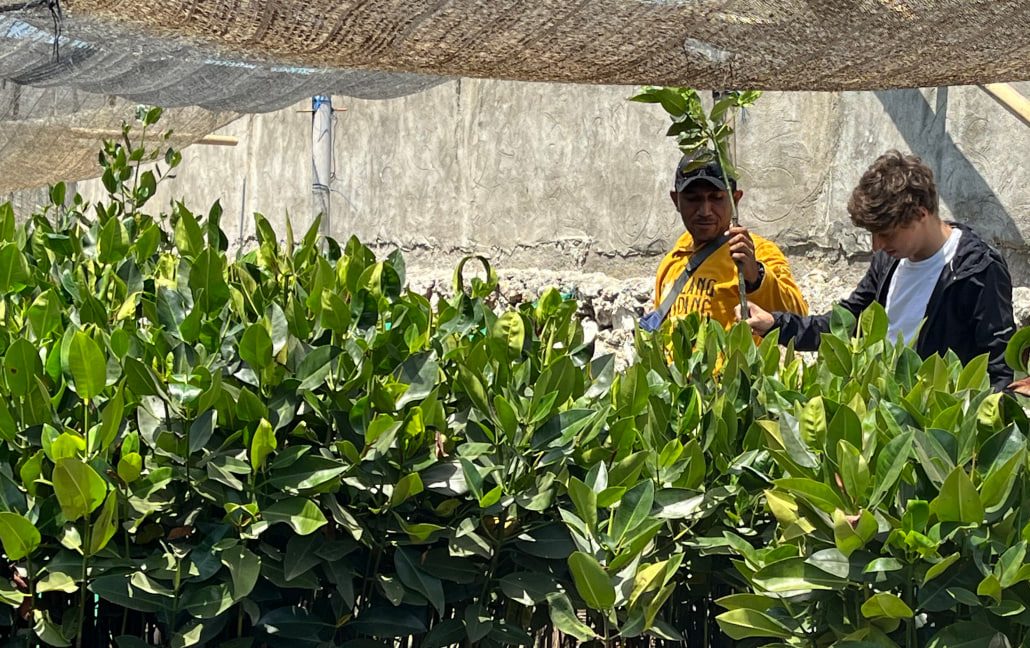
Silvofishery at scale in South Sulawesi
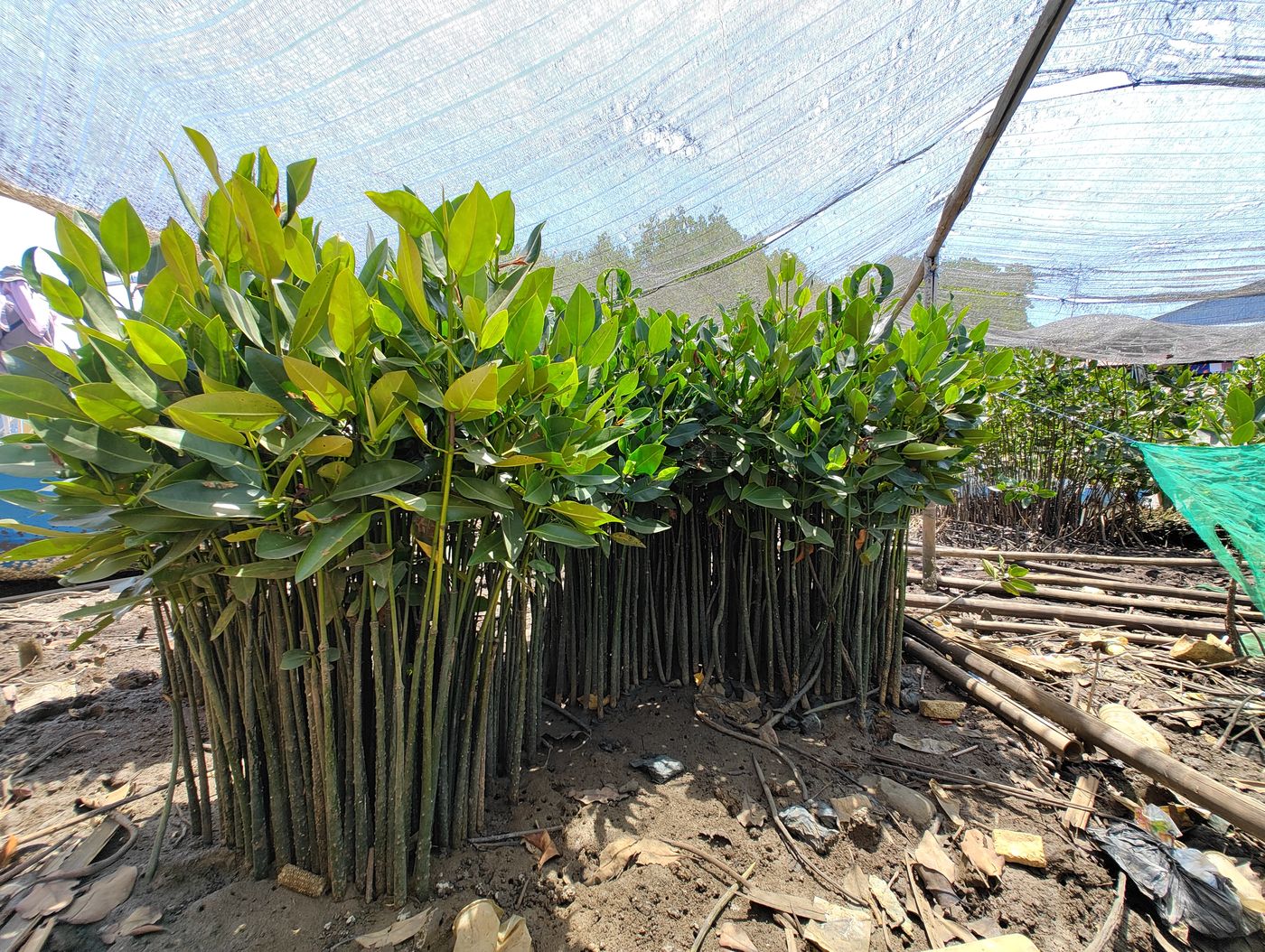
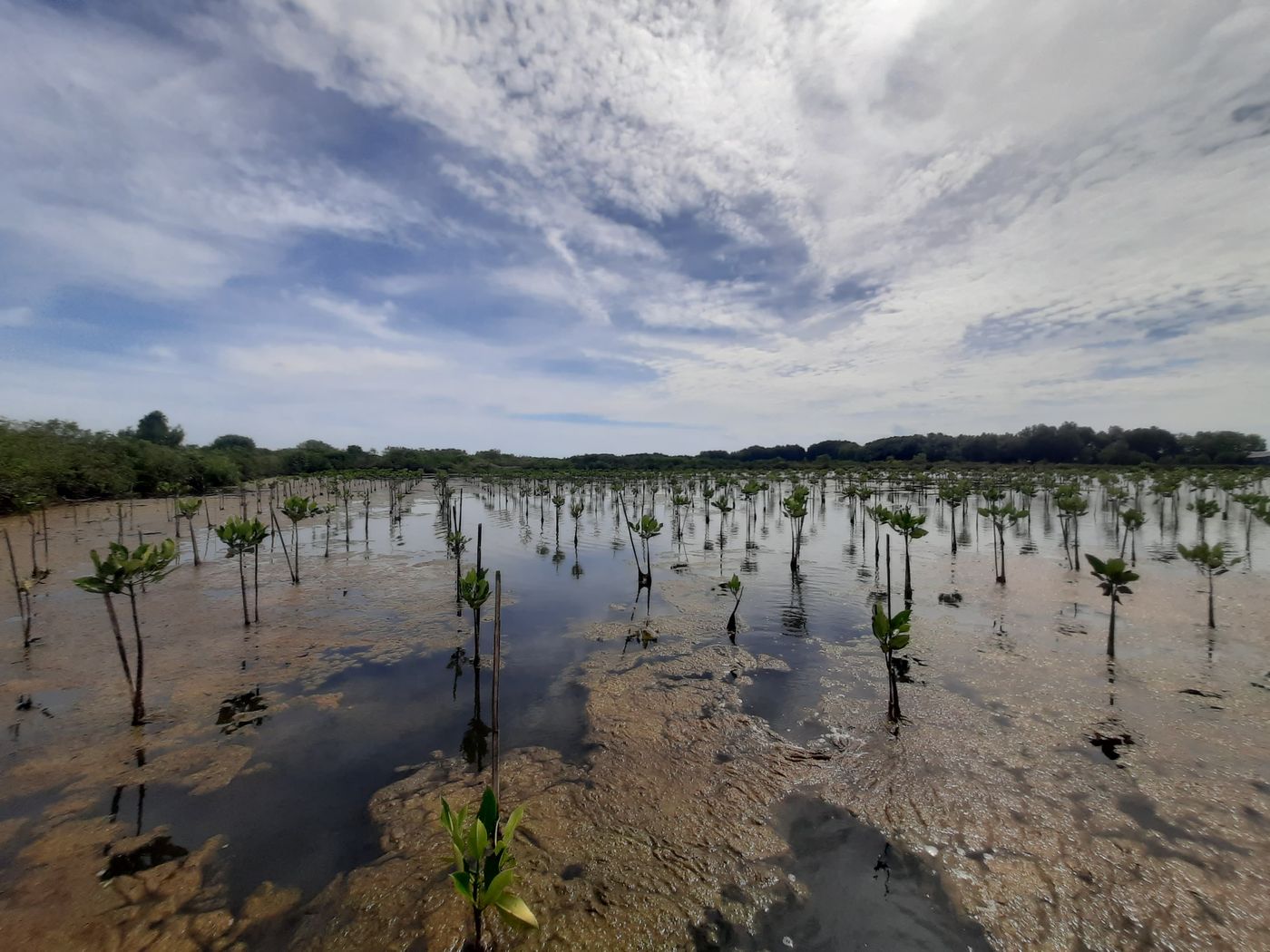
Kupu-kupu applies a silvofishery model to 30,000 hectares of degraded aquaculture landscapes in South Sulawesi, integrating mangrove rehabilitation with productive community fish-ponds.
In May 2026, Conservation International's Asia Pacific Natural Climate Solutions Technical Assistance Facility committed US $150,000 in early-stage funding to advance feasibility activities.
Selecting the carbon standard
Kupu-kupu is evaluating two routes to certification: Isometric’s Mangrove methodology and Gold Standard’s Sustainable Management of Mangroves.
Both set the requirements for carbon accounting, monitoring and independent verification that quantify and verify the climate impact of restoration over the project lifetime. The standard will be confirmed as feasibility work advances.
Mangrove restoration that supports coastal livelihoods
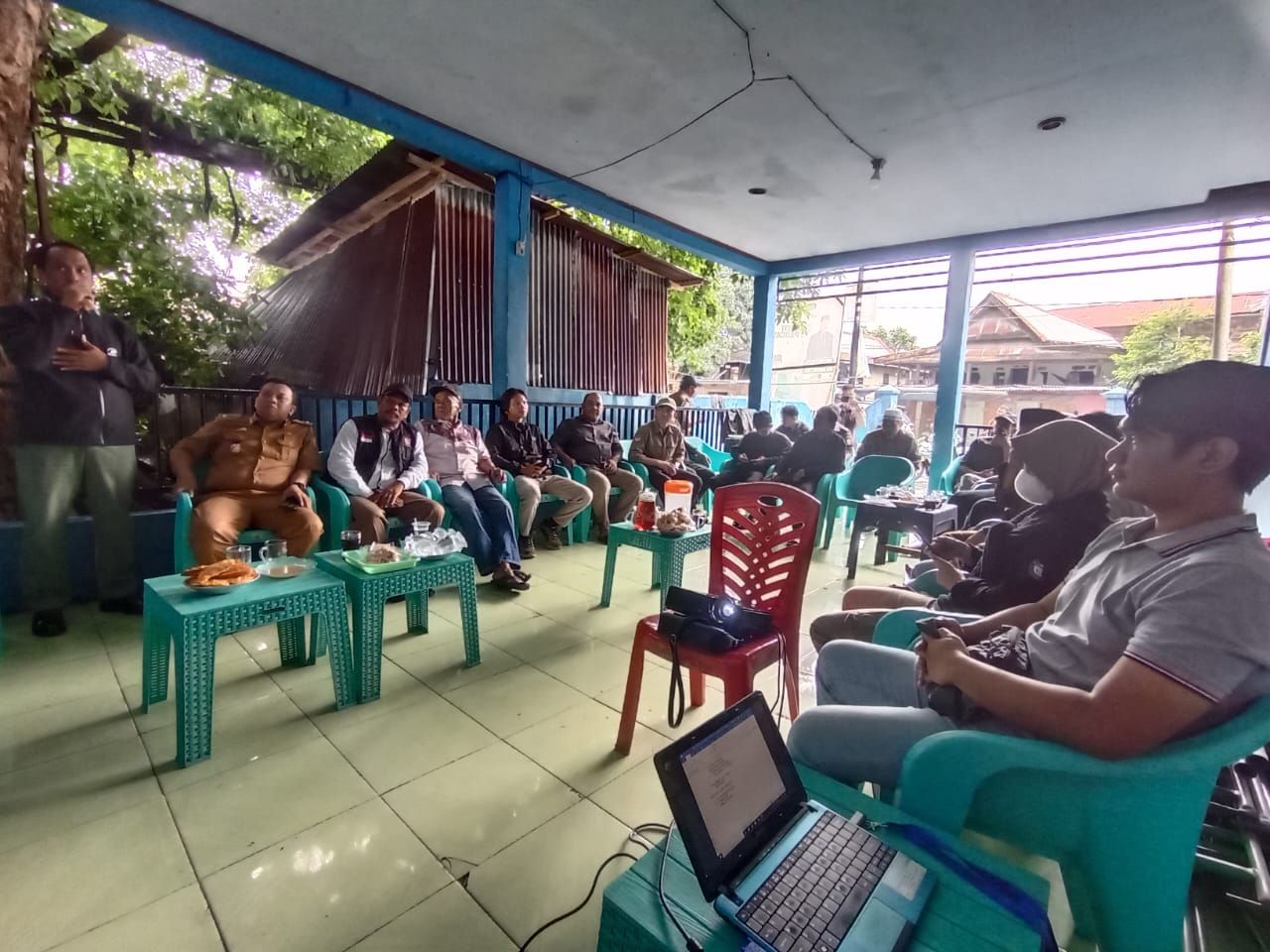
Kupu-kupu is designed with local aquaculture communities whose livelihoods depend on coastal fish ponds. The project works with farmer and fisher groups to introduce silvofishery systems, restoring mangroves within aquaculture landscapes while maintaining and improving pond productivity.
Community members are involved directly in restoration and long-term management. By improving water quality and ecosystem health, the project is also designed to increase fish and shrimp yields and strengthen income opportunities for local farmers.
Coverage of this project
Want to buy credits or fund expansion?
Get in touch with the project team.