
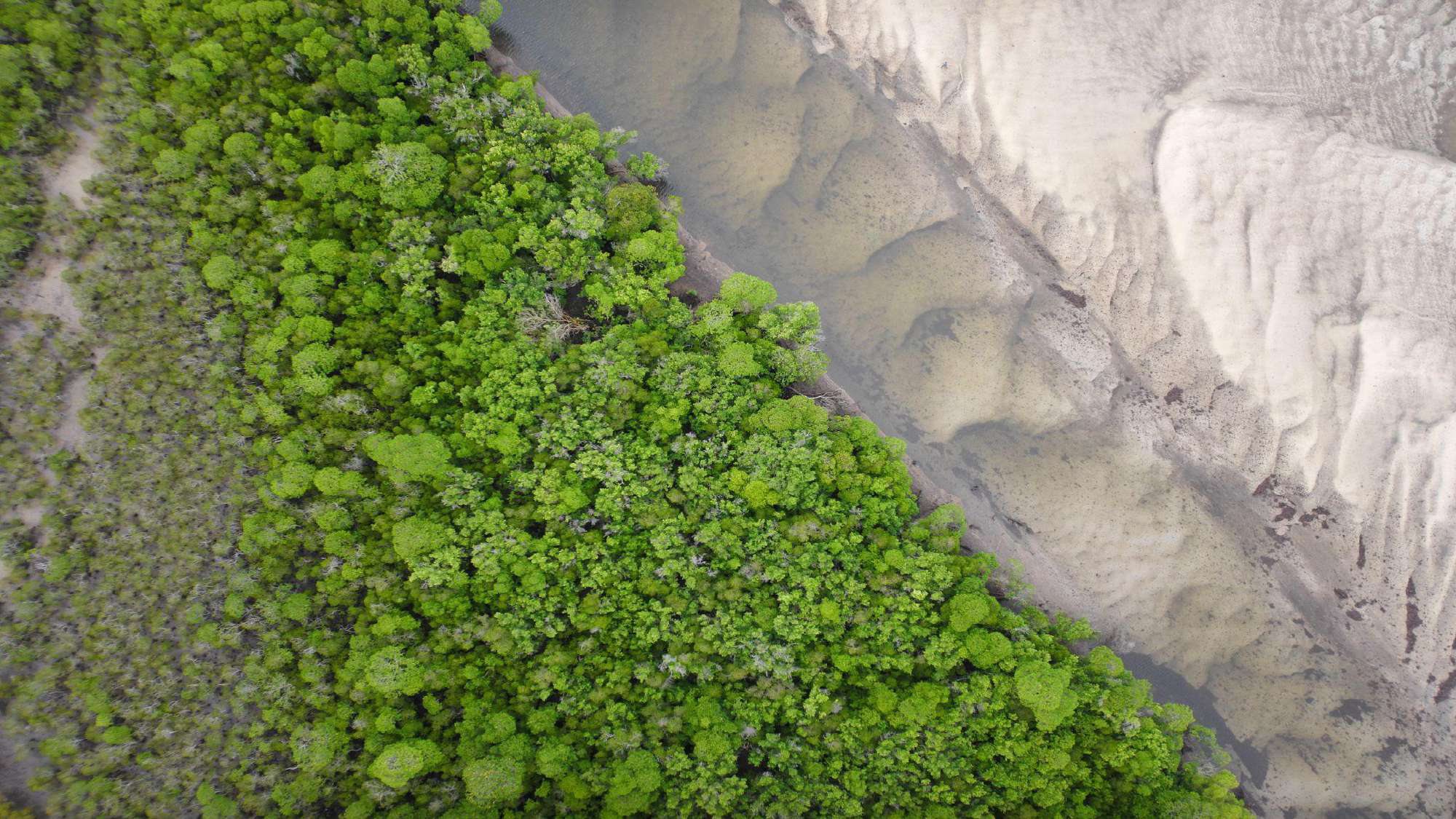
Community-led mangrove restoration, financed as an asset
Mangroves fall when clearing them pays more than keeping them alive. Vlinder is innovating mangrove restoration solutions: co-designed with communities, with verified carbon revenue paid back to them, and projects structured so investors can finance restoration at scale. Since 2019, Vlinder has restored over 1,700 hectares of mangroves across Africa and Asia.






Where we restore
Vlinder’s core business is developing mangrove restoration projects. Alongside our own Portfolio, we have selectively invested in projects developed by long-term partners.
 Portfolio
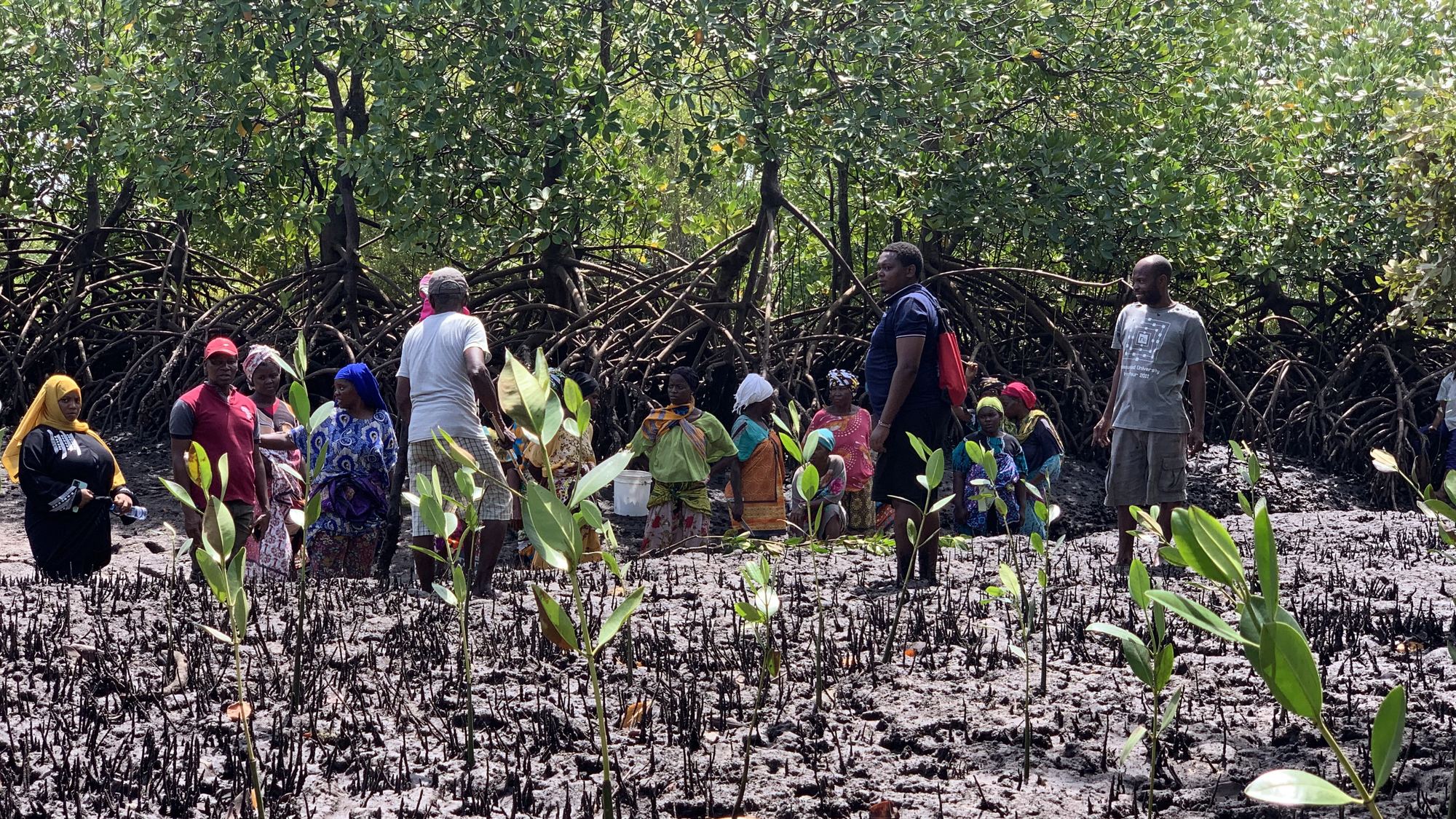
Papariko
Kenya's first blue carbon project on Verra, certified under VCS, CCB and SD VISta.
 Portfolio · Under development
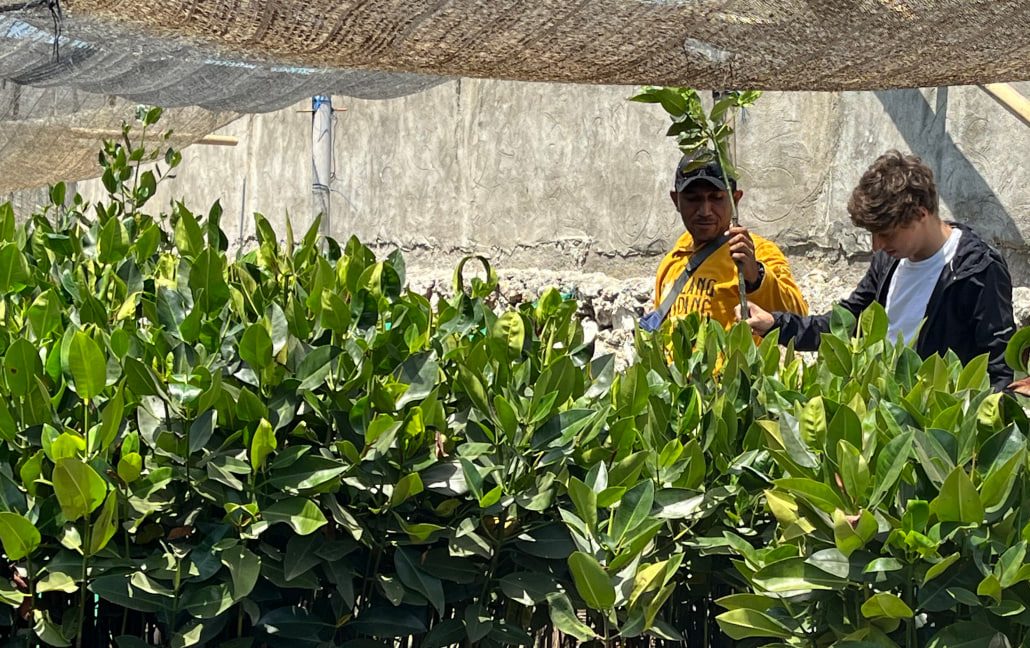
Kupu-kupu
Mangrove rehabilitation integrated with community livelihoods and fish-pond productivity.
 Portfolio · Under development
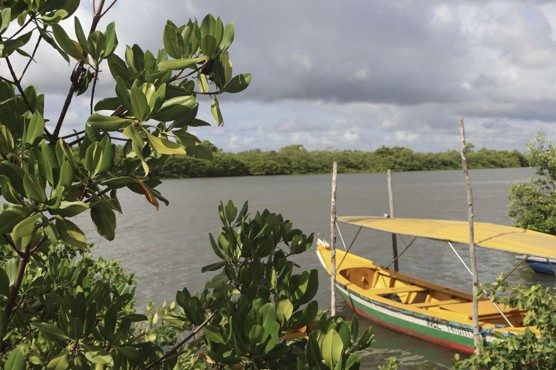
Panapanã
Community-led restoration in one of the largest contiguous mangrove belts on Earth.
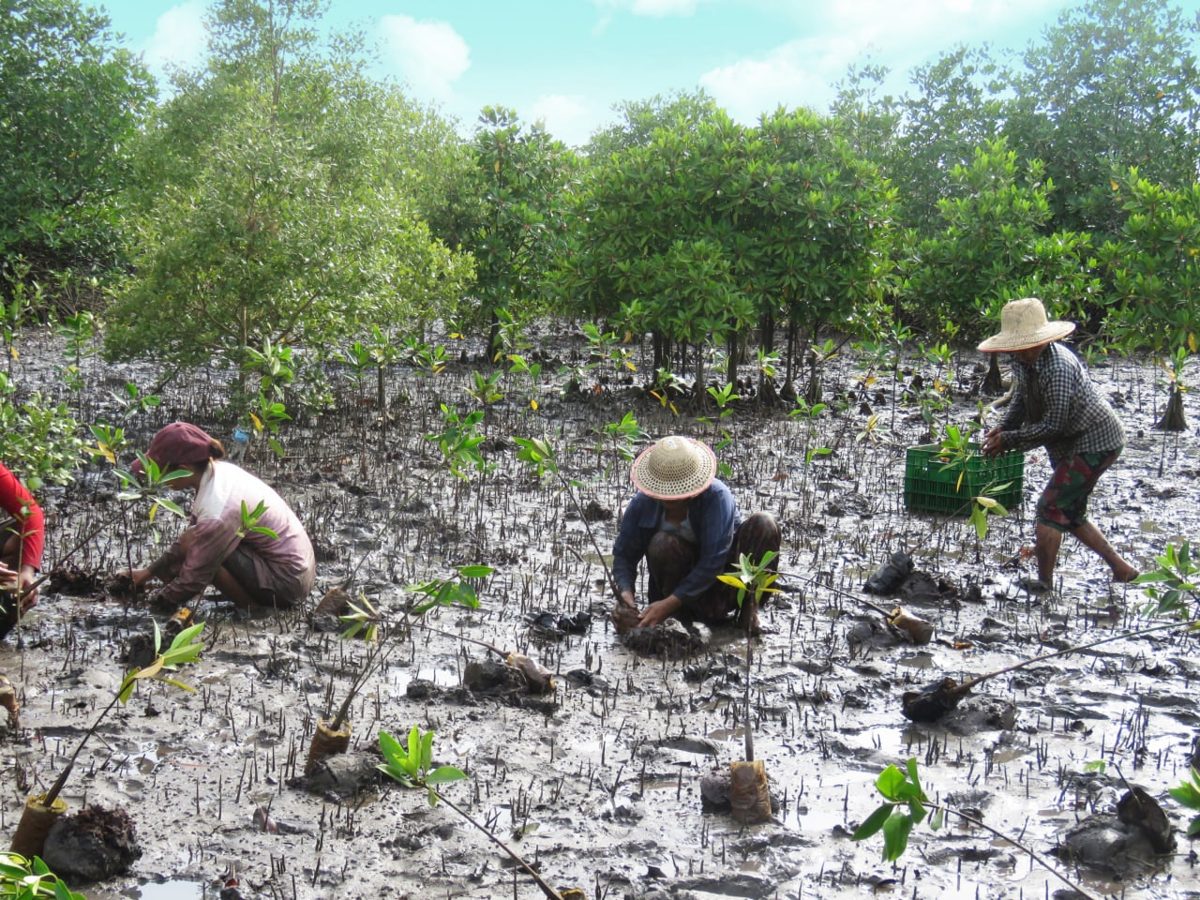 Investment
Ayeyarwady Delta
Developed by Worldview International Foundation, with Vlinder among its first crucial financing partners.
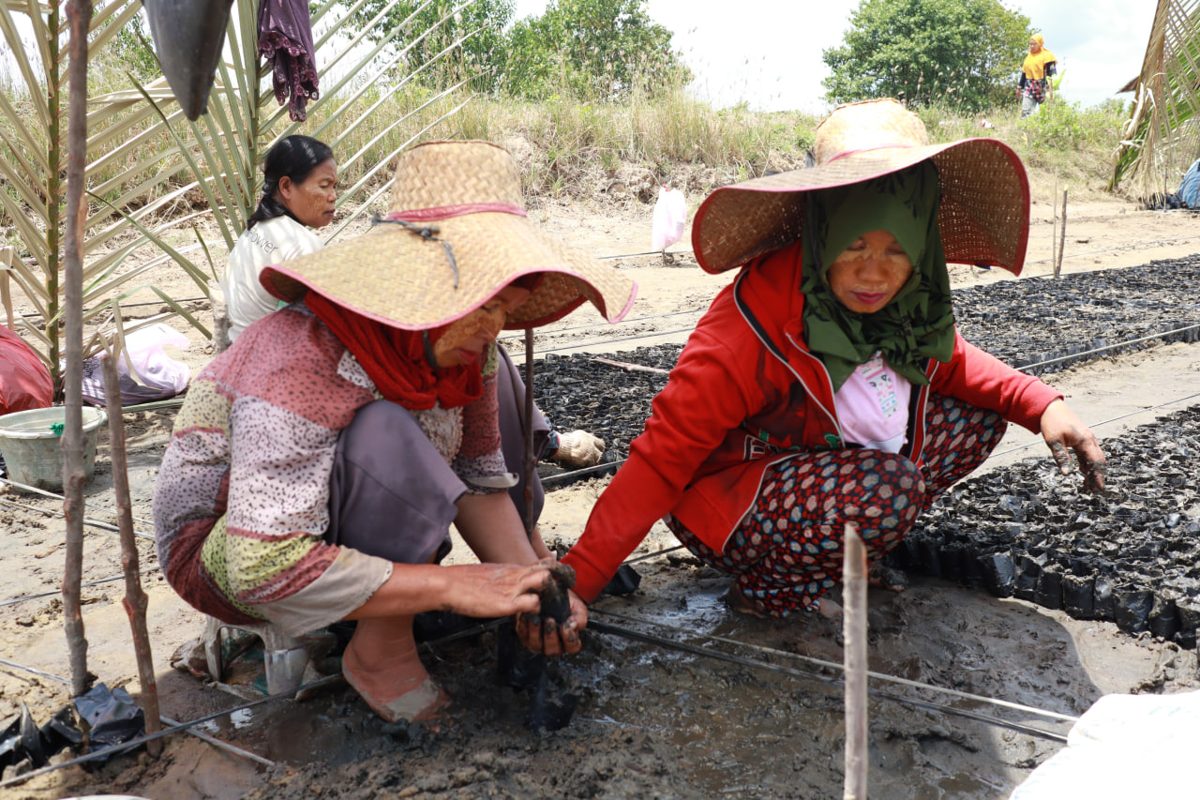 Investment
Ibu Bakau
Developed by VNV Advisory, with Vlinder among its first crucial financing partners.
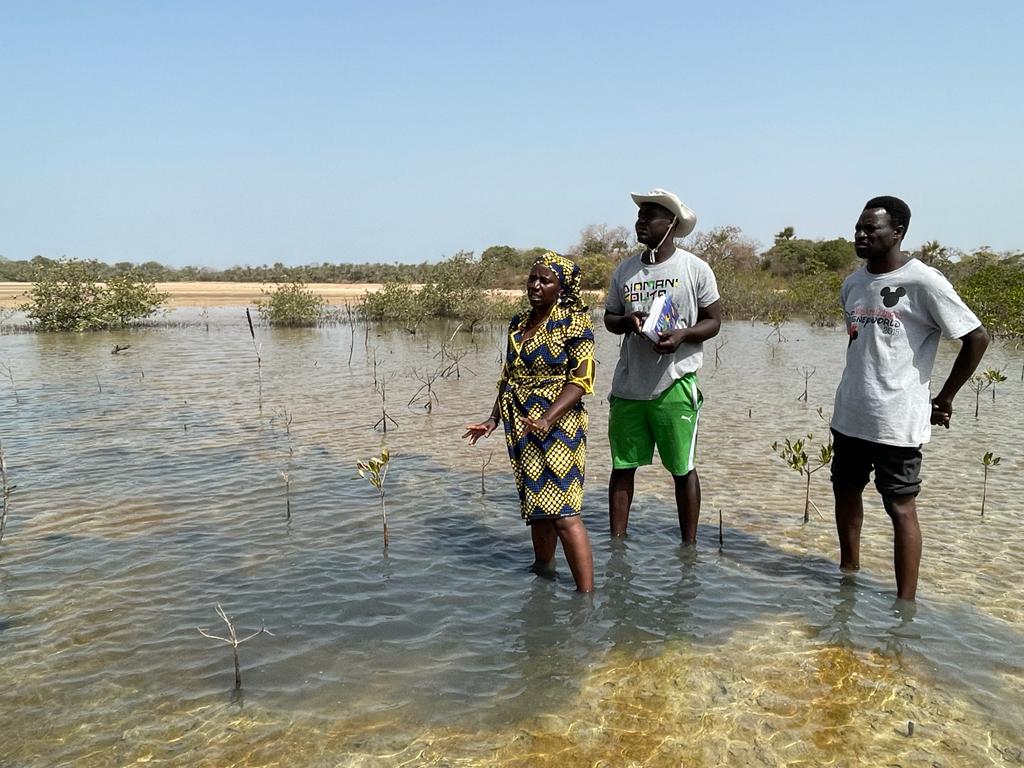 Portfolio · Under review
Lep-lep
Degraded mangroves restored across two of West Africa's most productive deltas.
Almost 60% of mangrove loss is human-driven
The world lost 6,769 km² of mangrove forest between 2000 and 2020. Three land uses account for 57% of it. Two independent global studies, using different methods, arrive at the same picture.
Aquaculture
Shrimp and fish ponds are the single largest driver worldwide. In South and Southeast Asia they account for 35% of all mangrove loss.
Rice and oil palm
Together they now rival aquaculture. Oil palm alone rose from around 4% of global loss in 2000 to 2010 to 14% in 2010 to 2020, as the pressure moved from ponds to plantations.
Settlement, direct and indirect
Buildings, roads and the infrastructure that comes with them.
Shares of gross mangrove loss, 2000 to 2020. Source: FAO (2023), The world’s mangroves 2000–2020, as presented in Global Mangrove Alliance, The State of the World’s Mangroves 2024. The balance of human-driven loss is wood extraction. Goldberg et al. (2020), Global Change Biology, independently attributed 62% of loss from 2000 to 2016 to direct human land-use change.
Mangrove loss is not an environmental problem.
It is an incentive problem
Restoration works when it pays more than destruction.
A model where communities, ecosystems, and capital all win
We align three forces: community-led restoration, verified carbon revenue, and long-term finance.
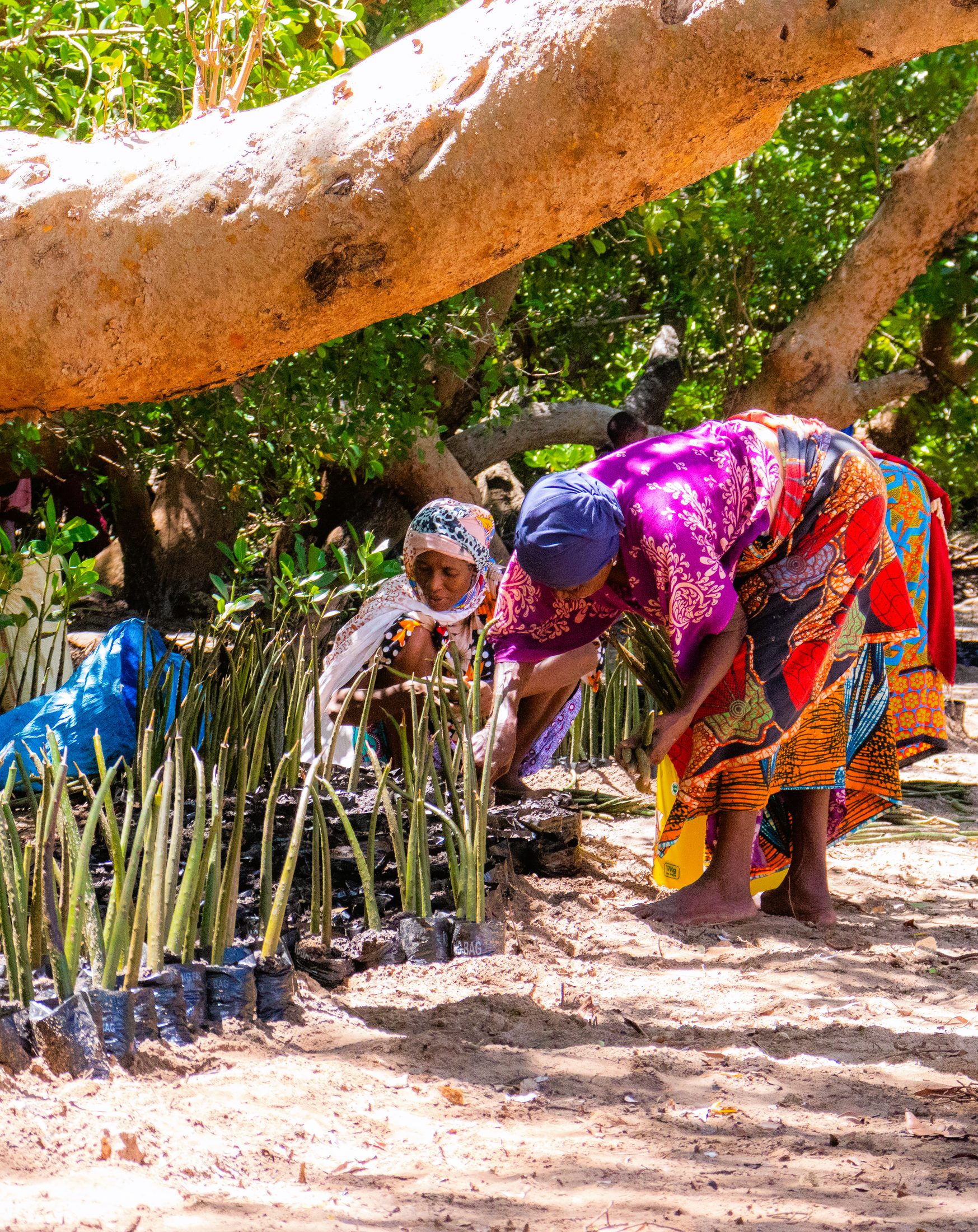
Communities restore & protect mangroves
We co-design every project with local communities, for lasting livelihoods and ownership.
Investors finance scalable restoration
Risk-adjusted returns and rigorous benefit-sharing make blue carbon investable.
Carbon revenue creates long-term income
Verified carbon credits turn restored hectares into recurring income for communities, investors, and project partners.
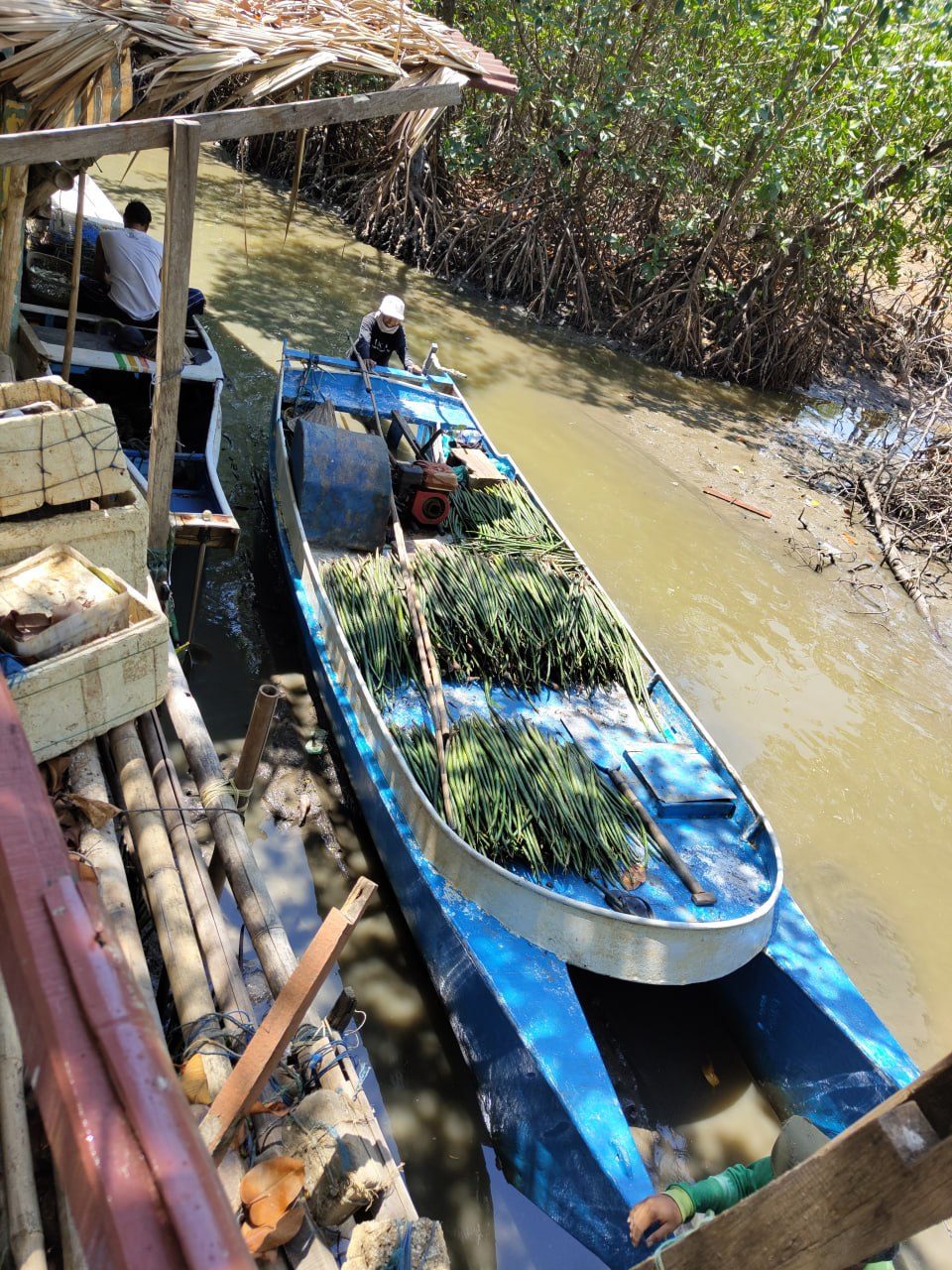
How a nature-based solution project works
Mangrove reforestation follows a long arc: degraded land becomes carbon revenue over decades, with credits verified by a third-party auditor every year after the first issuance.
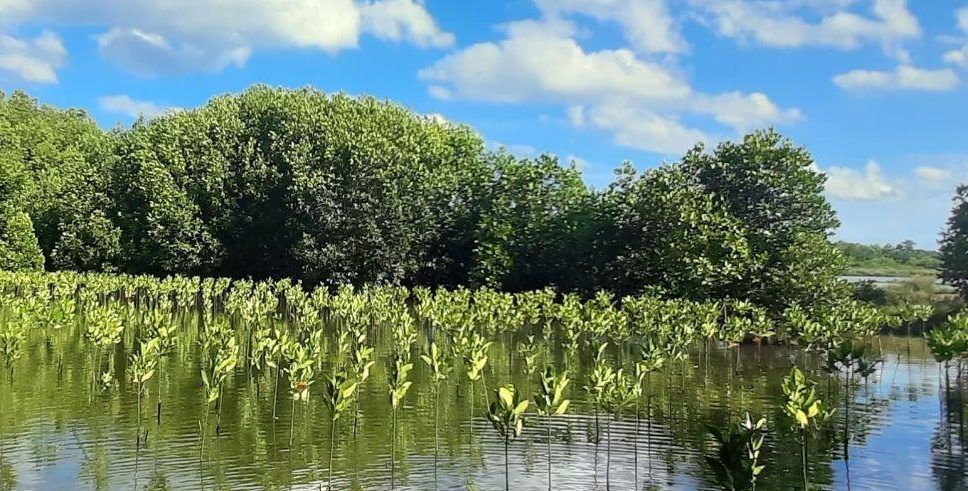
Degraded coastal area
Vlinder identifies degraded mangrove zones using AI & satellite analysis and verifies the 10+ year degradation history required for carbon-project eligibility.
Planting
Around 3,000 trees per hectare are planted in successive seasons by community organisations co-designed and trained on site.
First credits issued
The carbon standard issues the first credits based on measured tree growth and soil carbon sequestration, checked by an independent third-party auditor.
Annual issuance
Credits are then issued every year, verified each cycle, with proceeds routed through transparent benefit-sharing to communities, project operations and investors.
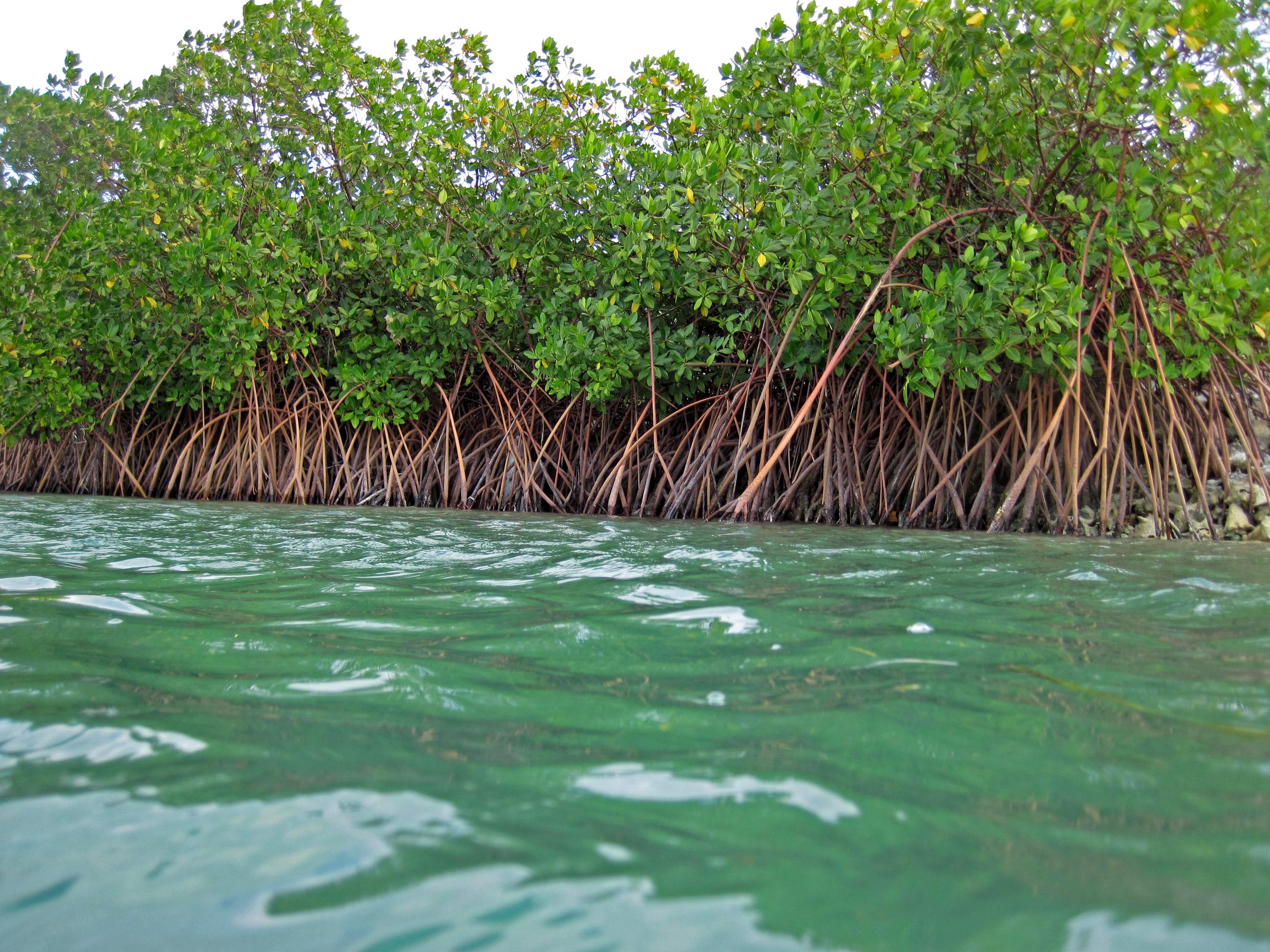
The most powerful carbon-capture ecosystem on Earth
Blue carbon
Carbon captured by coastal and marine ecosystems: mangroves, tidal marshes and seagrasses.
5× more CO2
Per hectare, they store more carbon than any forest on Earth.
Communities & biodiversity
A natural shield from tsunamis and floods, habitat for marine life, and revenue for coastal communities.
A high-integrity approach, validated by the market
Proven demand from premium buyers and investors.
Per credit sold from our portfolio, well above generic VCM benchmarks.
Our Kenya project is estimated at AA to BBB, the top tier of nature-based carbon projects.
Equity, grants and recoverable grants from Julius Bär, Hummingbirds, Climate-KIC, Conservation International and a coalition of impact investors.
Start-up funding to advance community-led mangrove restoration in South Sulawesi, Indonesia
Conservation International’s Asia Pacific NCS TAF allocates US $150,000 to advance feasibility activities for Vlinder’s large-scale Kupu-kupu project.
Read announcementTechnology that lowers project cost and raises buyer trust
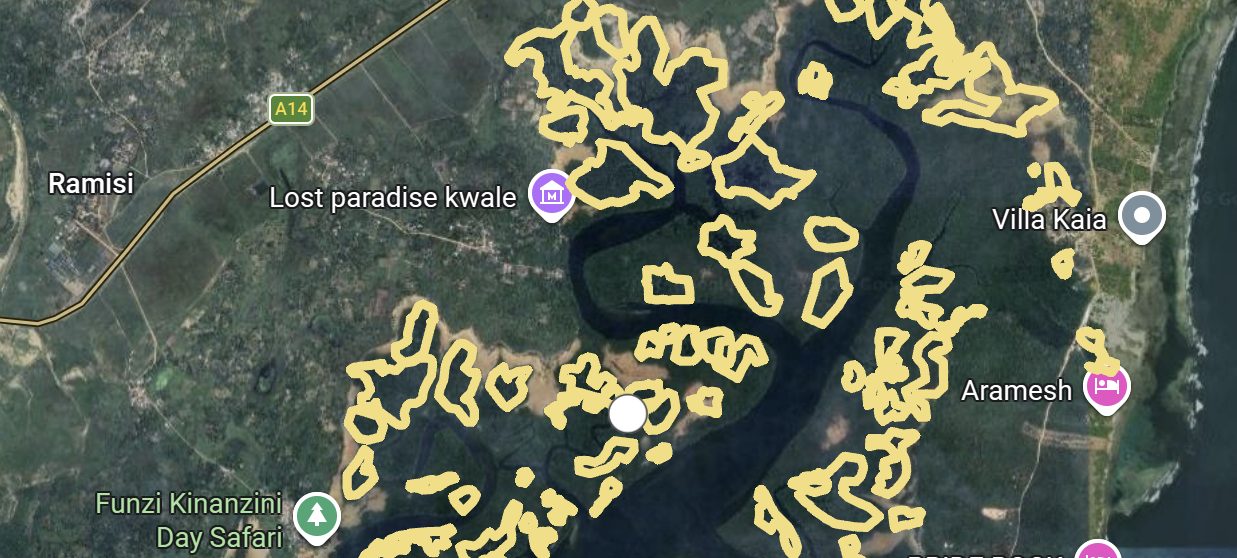
AI & satellite mapping
Finds restorable area and verifies eligibility at a fraction of fieldwork cost.
- Coverage 4 countries · 6 project sites
- Eligibility 10+ year degradation history verified
- Outputs Restoration polygons & canopy growth tracking
eDNA monitoring
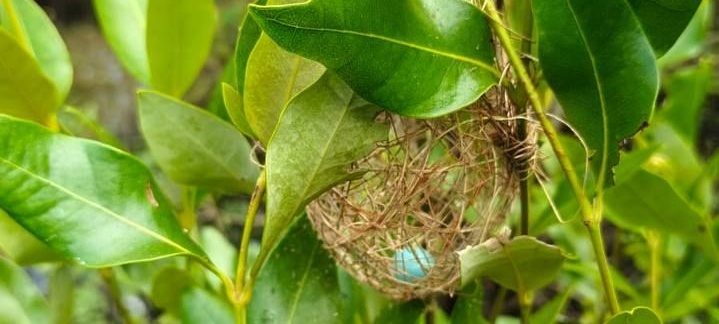
Measures ecosystem recovery from environmental DNA, the proof that planting alone can't give.
- Baseline Kenya · Papariko · species inventory taken
- Next survey Year-5 progress survey planned
- Method Sediment & water samples per restoration block
Auditable transparency
Digitized tracking follows every credit end to end, from issuance to the household that receives its benefit share.
-
01
Created 1,000 tCO2
-
02
Sold $45,000
-
03
Shared 60% to community
-
04
Received 147 households
Global expertise, local impact
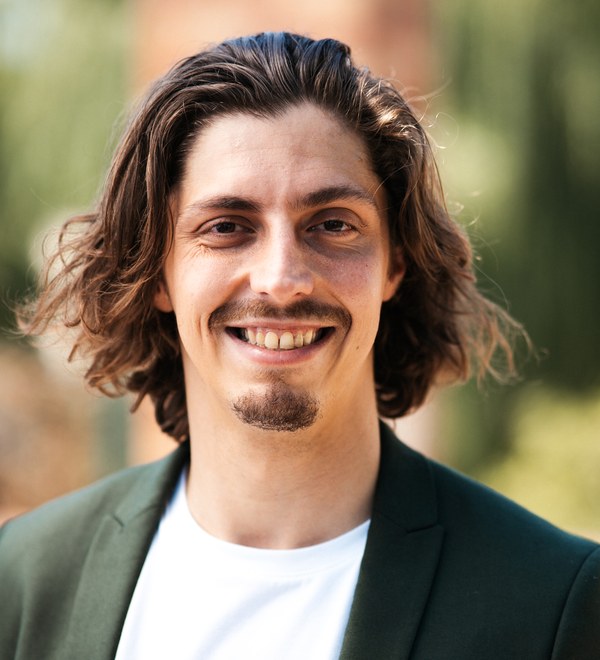
Robin Bartmann
COOEconomist · World Bank · Volkswagen · GoStudent
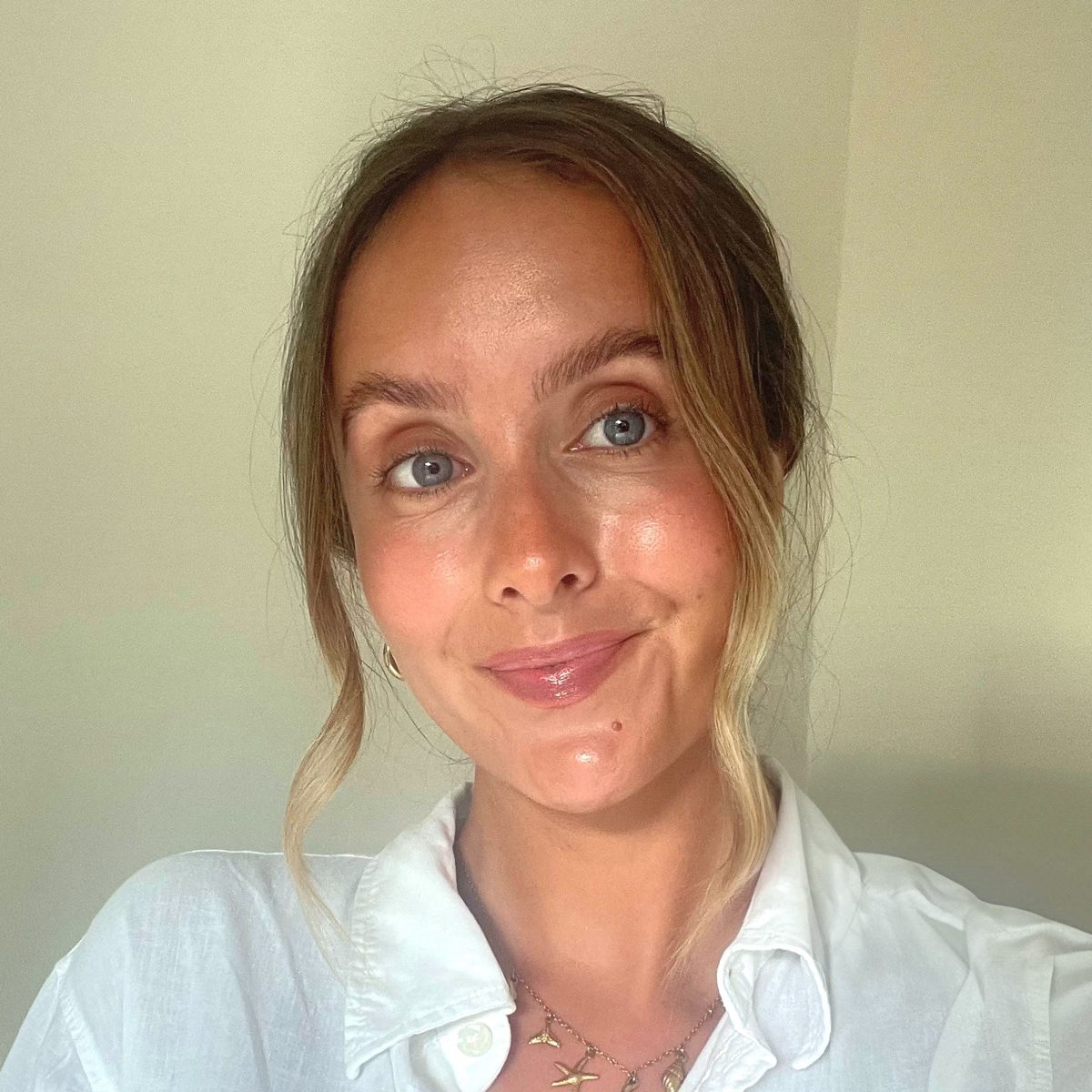
Holly Elgar
Technical & Knowledge LeadMarine scientist · socioeconomic impact expert
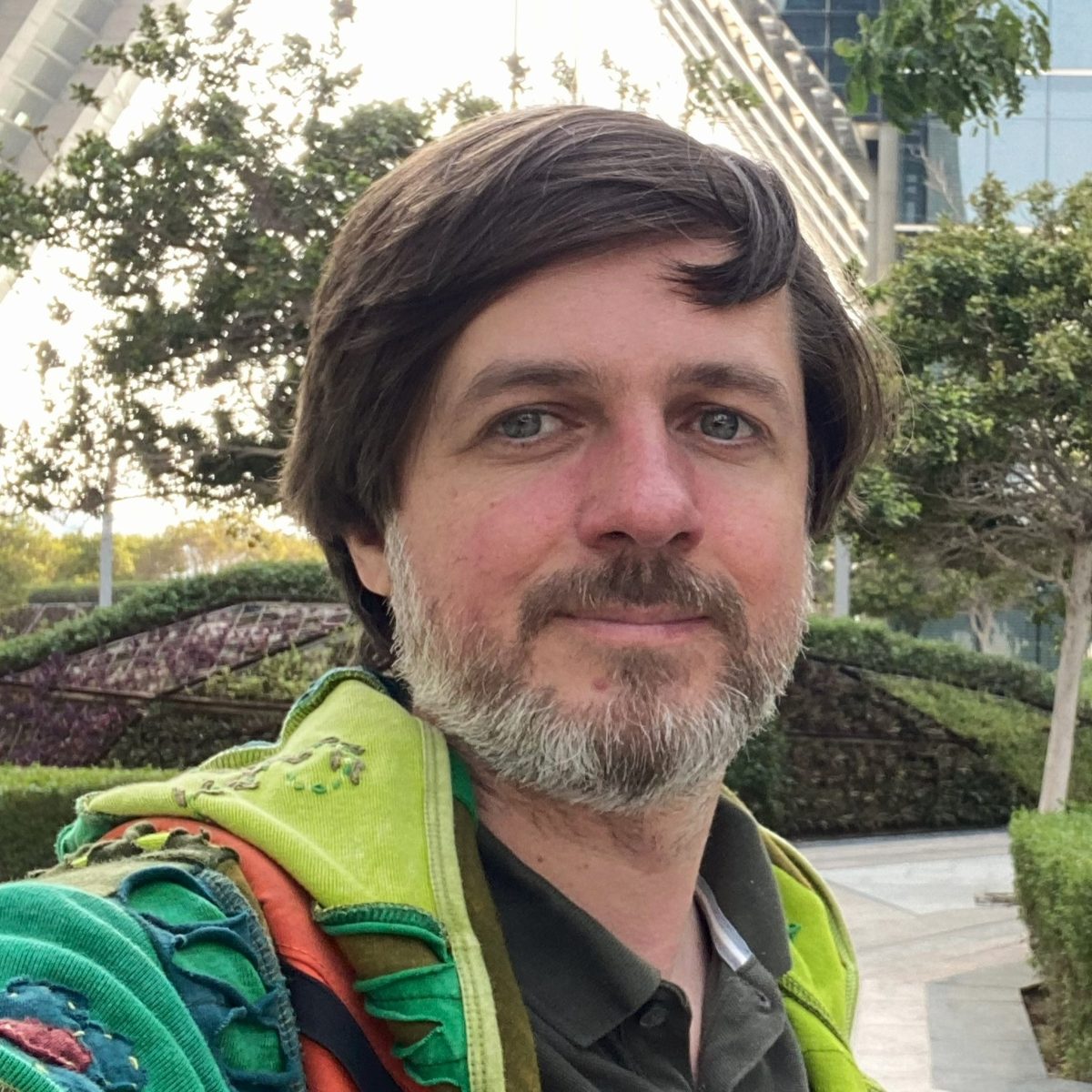
Dr. Sergey Ivliev
Founder · Chief of InnovationsCarbon market expert · FinTech founder · HEC Lausanne lecturer
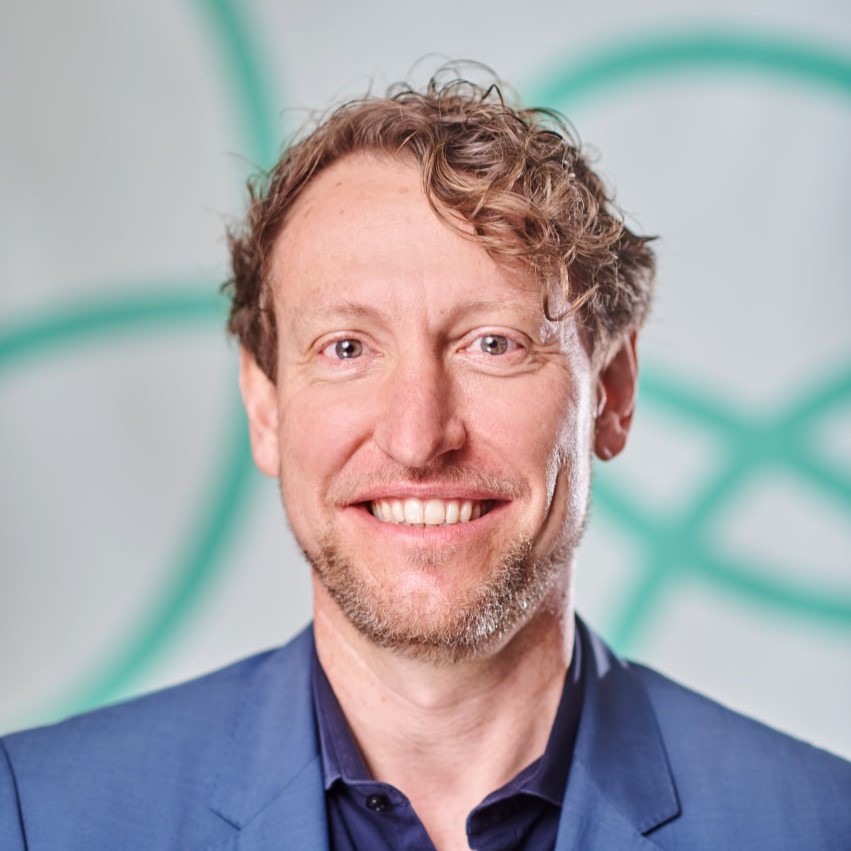
Tom Kagerer
CEOLGT Venture Philanthropy · BMW Financial Services
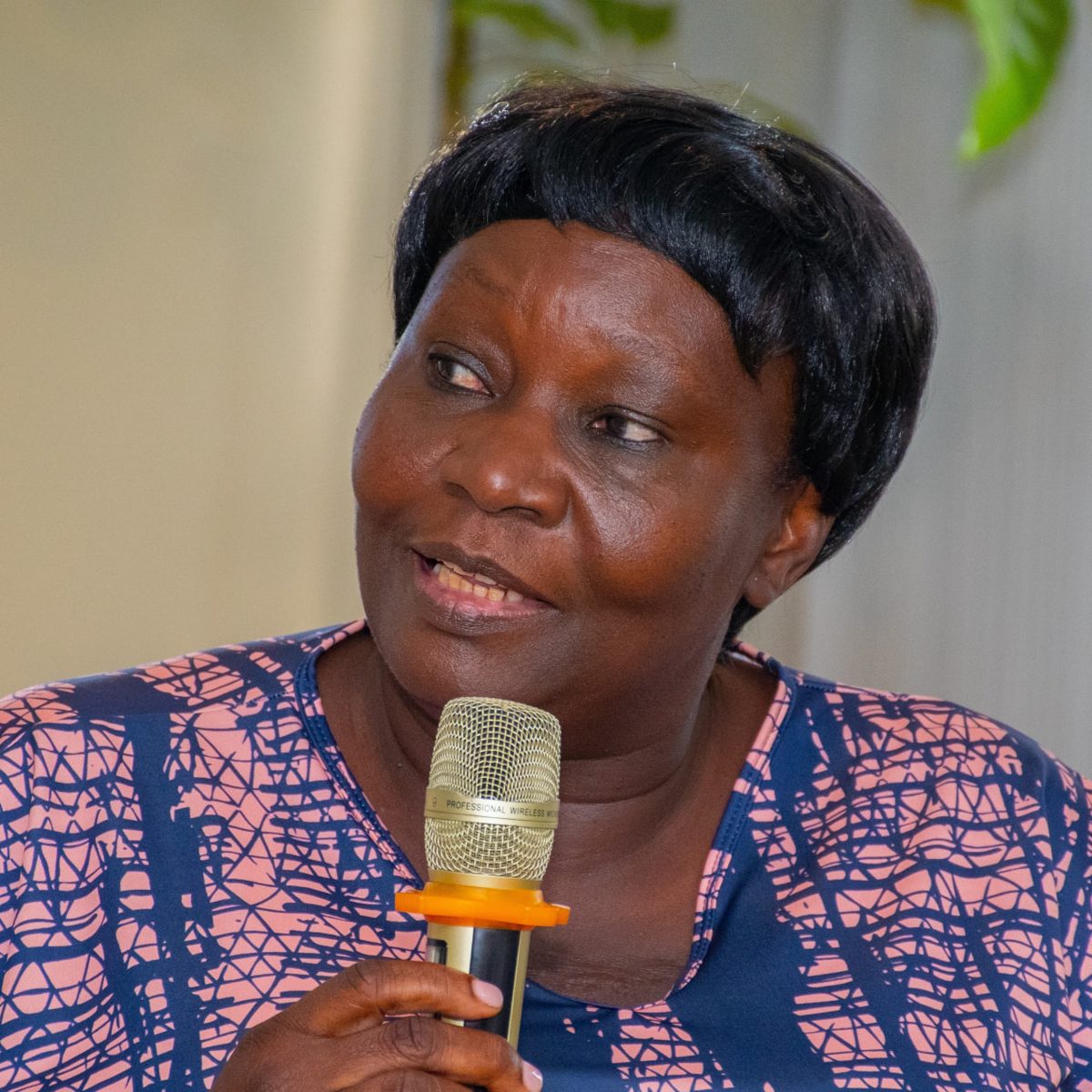
Isabella Masinde
Lead local partner · KenyaEnvironmental protection & climate-policy expert · ex-WWF
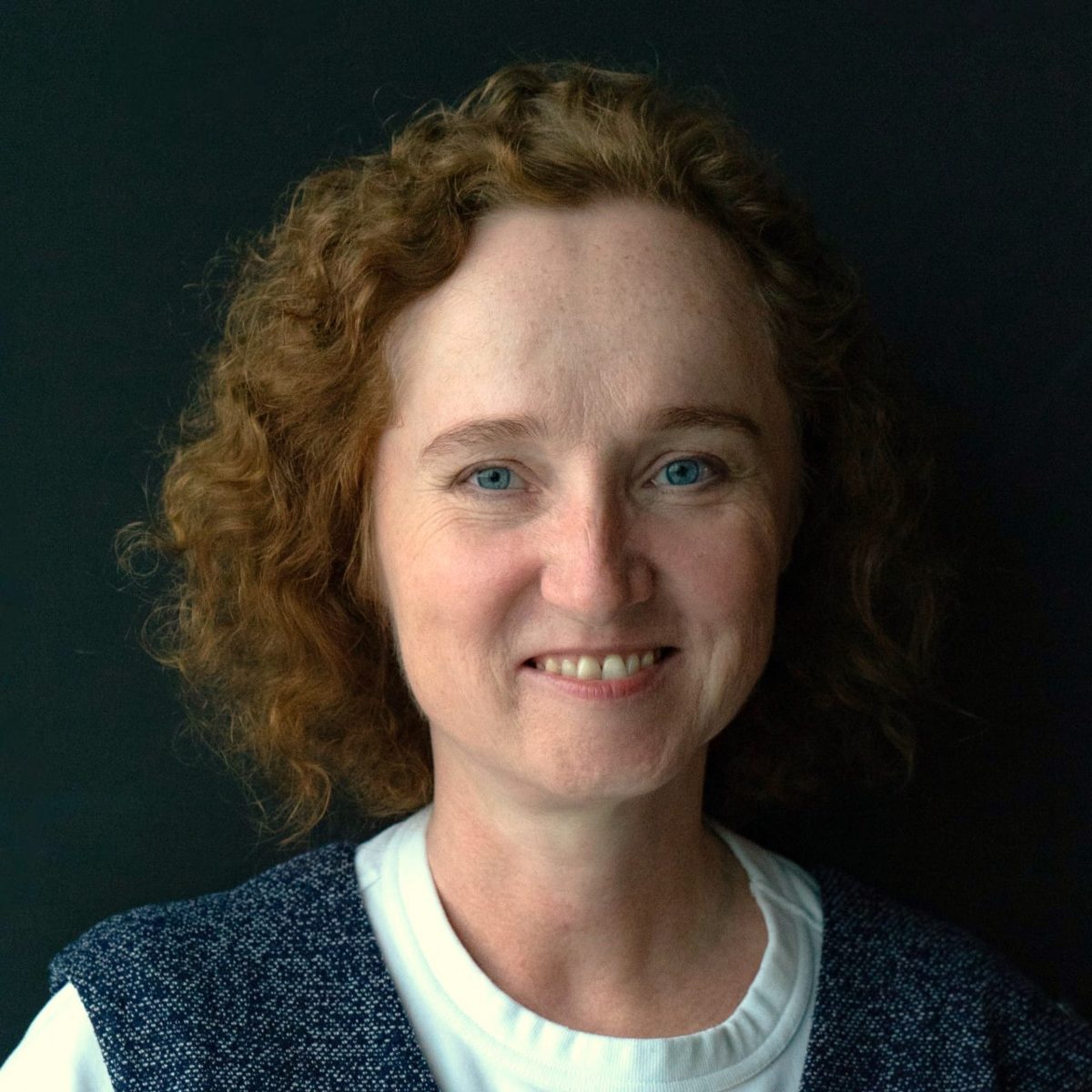
Lena Mechenkova
Founder · Head of ProjectsExperienced project manager · communications professional
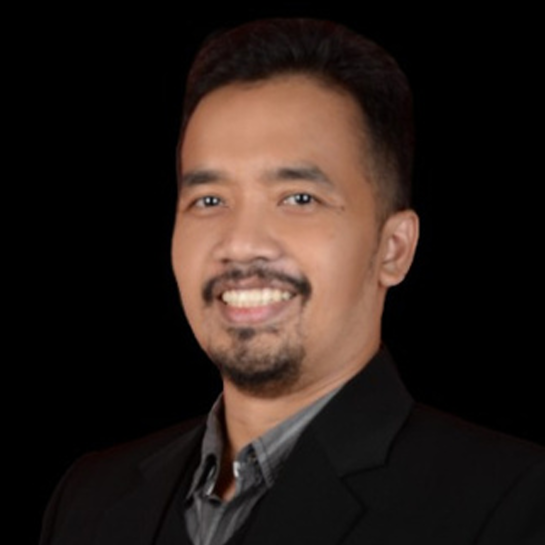
Galih Prasetya
Lead local partner · IndonesiaOperations manager · mangrove & carbon project expert
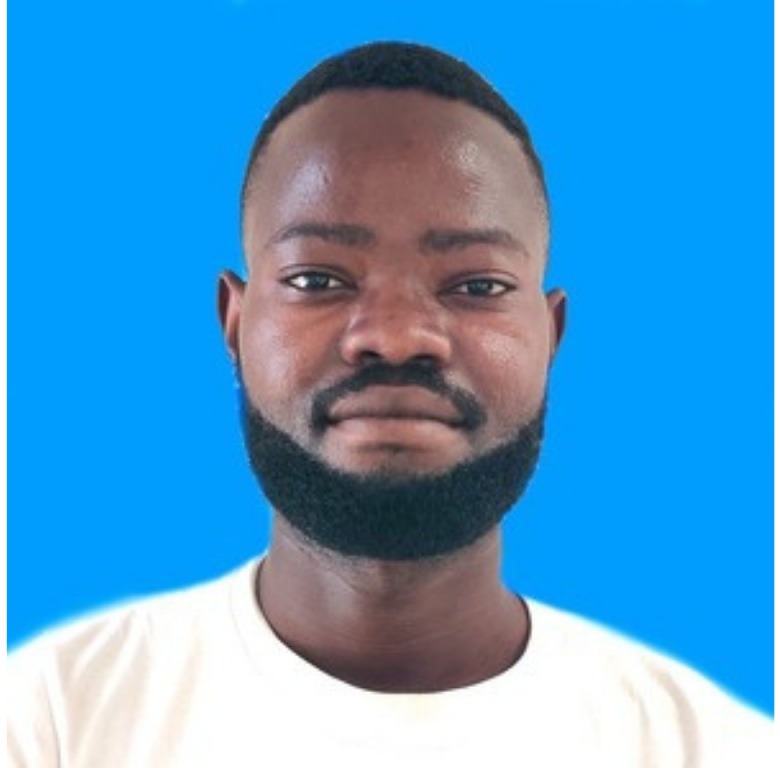
Levis Sirikwa
Project Performance & Data Officer · KenyaData management · mangrove conservation · community mobilization
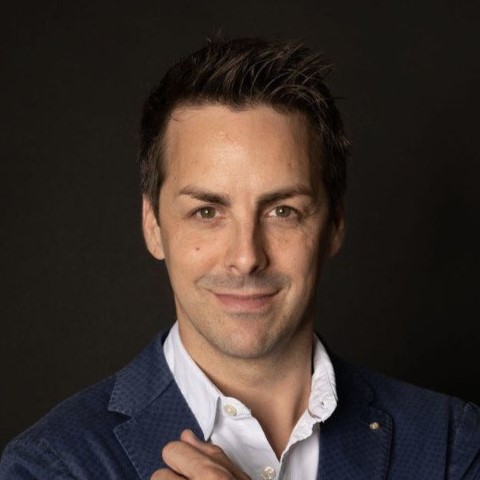
Christian Svoboda
Founder · CFOAngel investor · financial controller · helicopter pilot
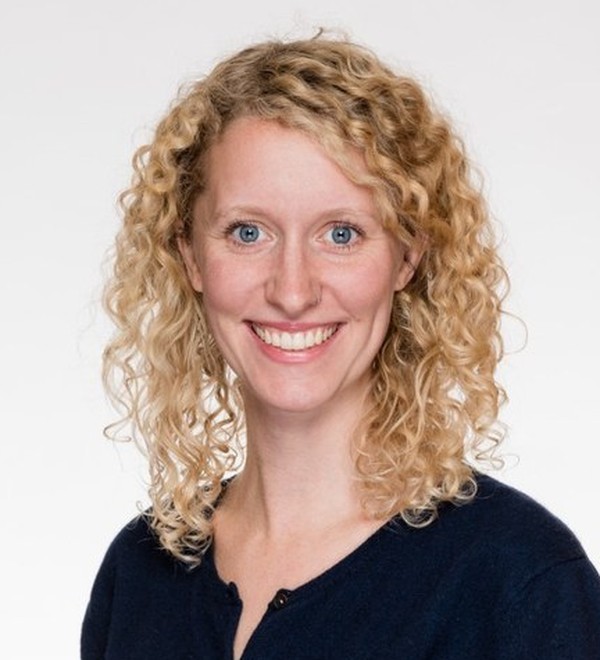
Camilla Werl
Mangrove Science LeadApplied limnologist · eDNA & biodiversity monitoring
Senior counsel across carbon markets, finance, and conservation science
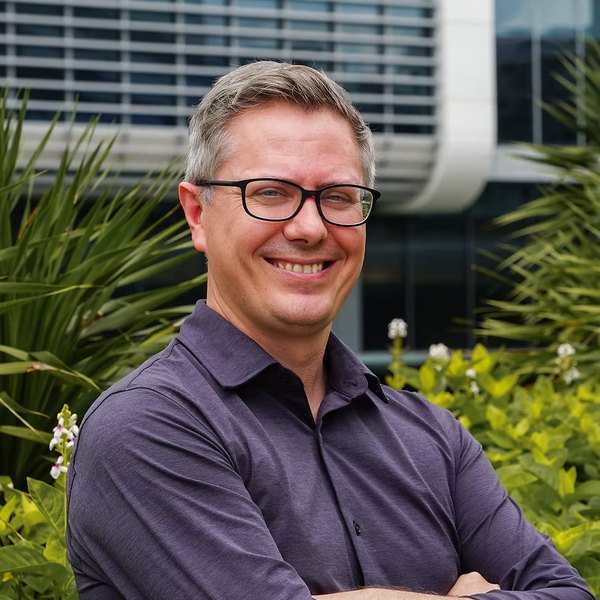
Dr. Dan Friess
Professor, Tulane UniversityHead of the Mangrove Lab, leading research on blue carbon, threats to mangroves, and restoration.
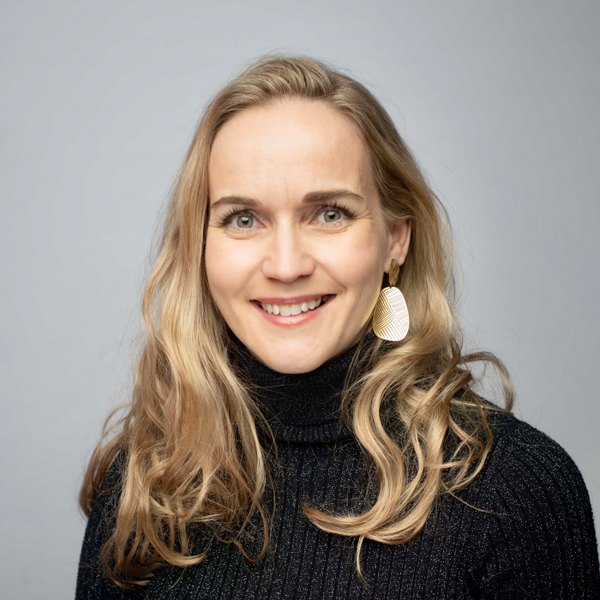
Edit Kiss
Advisory Director at Finance EarthCarbon market leader. Board and committee member at Verra and CPIC.
The last 40 years were defined by loss.
The next 20 will be defined by restoration
Tom Kagerer · CEO, Vlinder Austria GmbH